Is Redmond Becoming One of Washington’s Fastest-Growing Housing Markets?

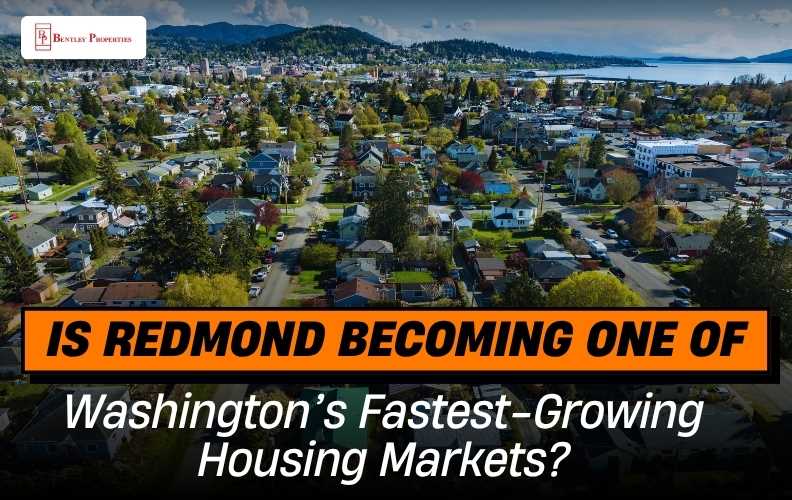 Over the past decade, Washington’s real estate landscape has undergone a noticeable shift. Cities once considered quiet suburban alternatives are now becoming high-demand housing hubs. Among them, Redmond stands out. Known historically as a tech-centric city anchored by global companies, Redmond is increasingly drawing attention not just for employment opportunities but also for its fast-evolving housing market.
Homebuyers, investors, and industry analysts alike are asking the same question: Is Redmond becoming one of Washington’s fastest-growing housing markets?
The answer lies at the intersection of several powerful forces. The expansion of the technology sector, rising regional demand, and shifts in buyer preferences have all contributed to the city’s growing appeal. When you also consider nearby market dynamics, including trends in the Kirkland housing market, the broader picture becomes even clearer.
Let’s explore what is fueling Redmond’s growth and why it is quickly emerging as one of the most important housing markets in Washington.
The Technology Boom Driving Local Housing Demand
One of the strongest drivers behind Redmond’s real estate momentum is the city’s deep connection to the technology industry. As tech companies expand their footprint in the region, they bring thousands of highly skilled professionals with them. These workers need housing, and many prefer to live close to where they work.
This dynamic has created a powerful link between tech jobs and housing demand in the area. As companies continue hiring, the demand for homes in Redmond grows steadily. For many buyers, living near major technology campuses offers both convenience and lifestyle advantages.
Employees working long hours appreciate shorter commutes. Many also value access to nearby parks, modern amenities, and a community that caters to professionals and families alike. Redmond offers all of these features, making it an increasingly attractive place to settle.
The growth of the technology sector also tends to raise income levels across the region. Higher earning potential enables more buyers to enter competitive housing markets. As a result, the demand for homes often rises faster than supply, pushing prices upward and accelerating market growth.
This phenomenon highlights the broader tech industry real estate impact seen throughout Washington’s major tech corridors.
Population Growth and Lifestyle Appeal
Redmond’s growth is not driven solely by job opportunities. The city also offers a lifestyle that appeals to a wide range of residents.
Beautiful parks, strong public schools, bike trails, and proximity to Seattle make the area especially attractive for young professionals and families. Many residents appreciate the balance between urban accessibility and suburban comfort.
As remote and hybrid work models continue to evolve, many buyers are prioritizing communities that offer more space and a better quality of life. Redmond checks both boxes.
New residents relocating for tech jobs often bring families or plan to start them. This increases demand for single-family homes, townhouses, and larger properties that can accommodate home offices and flexible living spaces.
This influx of new residents creates a ripple effect across the housing market. Builders respond with new developments, investors explore opportunities, and existing homeowners see increased property values.
Over time, these forces help transform a stable housing market into a rapidly expanding one.
Limited Inventory Intensifying Competition
While demand continues to rise, housing supply in Redmond has struggled to keep pace. Limited inventory has become one of the defining characteristics of the local real estate market.
Land availability in the region is restricted, and zoning regulations often limit how quickly new housing can be developed. As a result, buyers frequently find themselves competing for a limited number of properties.
Multiple-offer situations have become more common, particularly for well-priced homes in desirable neighborhoods. This competitive environment encourages faster sales and rising home values.
In addition, new construction projects take time to complete. Even though developers are working to add more housing units, the pace of demand growth often outstrips new supply.
For buyers, this means acting quickly and making strong offers. For sellers, it creates an environment where properties tend to attract serious interest.
From an investment perspective, limited supply paired with strong demand can signal long-term growth potential.
Redmond’s Strategic Location
Location has always played a key role in determining housing market success, and Redmond’s position within the Seattle metropolitan area is a major advantage.
The city sits near major employment hubs and transportation corridors. This allows residents to access nearby cities while still enjoying a quieter living environment.
Many professionals who work in Seattle, Bellevue, or nearby tech campuses find Redmond to be an ideal home base. The commute remains manageable, while the community offers more space and a slightly more relaxed atmosphere.
This strategic positioning also connects Redmond to surrounding housing markets. The Kirkland housing market, for example, has experienced strong growth as well. As prices rise in one city, buyers often explore nearby alternatives.
When Kirkland becomes more competitive, some buyers naturally shift their focus toward Redmond. The same pattern occurs between Redmond, Bellevue, and other nearby cities.
These interconnected markets create a regional ecosystem where growth in one area often influences activity in another.
New Development and Urban Planning
Redmond’s city planners have recognized the need to support growth while maintaining livability. Over the years, the city has introduced thoughtful development initiatives aimed at balancing expansion with community needs.
New mixed-use developments, residential projects, and infrastructure upgrades are reshaping the city’s landscape. These projects help accommodate population growth while also improving the overall living experience.
One major focus has been on creating walkable neighborhoods with easy access to shops, restaurants, parks, and transit. Buyers increasingly value communities where daily errands and entertainment options are within reach.
Transit improvements have also played an important role. Expanded transportation options help connect Redmond to nearby employment centers, reducing commute times and making the city more accessible.
These investments strengthen the city’s long-term housing outlook and support continued market growth.
Investor Interest in the Market
As Redmond’s housing demand increases, investors are paying closer attention. Real estate investors often look for markets with strong job growth, population inflows, and limited housing supply. Redmond checks all of these boxes.
Rental demand remains strong as well. Not everyone relocating to the area is ready to buy immediately, especially newcomers who want time to explore neighborhoods before committing to a purchase.
This creates opportunities for investors interested in rental properties, townhomes, and multifamily units.
The tech industry real estate impact extends into the rental market as well. Professionals relocating for new roles often seek quality rental housing near employment centers. This keeps vacancy rates relatively low and supports steady rental income potential.
Investors who recognize these trends early often position themselves for long-term gains.
How Redmond Compares to Nearby Markets
To understand Redmond’s growth trajectory, it helps to compare it with neighboring cities.
The Kirkland housing market has long been considered one of the most desirable in the region. With picturesque views, charming communities, and excellent schools, Kirkland has become a sought-after destination for homebuyers.
However, rising prices in Kirkland have encouraged some buyers to explore alternatives nearby. Redmond offers many similar advantages while sometimes providing slightly more attainable price points.
At the same time, Redmond benefits from its strong connection to the technology sector. The city’s proximity to major tech campuses makes it particularly attractive for professionals seeking convenience.
This balance between affordability, location, and job proximity has helped accelerate Redmond’s housing growth.
Buyers who might once have focused solely on Kirkland or Bellevue are increasingly considering Redmond as a primary option.
The Future of Tech Jobs and Housing Demand
Looking ahead, the relationship between tech jobs and housing demand will likely continue shaping Redmond’s real estate market.
Technology companies show no signs of slowing their regional investments. Many firms continue expanding offices, hiring new talent, and strengthening their presence in Washington’s tech corridor.
Every new wave of hiring adds potential homebuyers and renters to the local housing pool. Over time, this sustained demand can reinforce long-term market growth.
In addition, many professionals relocating for tech roles bring high income levels and strong purchasing power. This supports home values and encourages further development.
As long as the technology sector remains strong, cities closely connected to it will likely experience continued housing demand.
Redmond is well-positioned to benefit from this ongoing trend.
What This Means for Buyers and Sellers
For buyers considering a move to Redmond, the city offers exciting opportunities but also requires preparation. Competitive markets reward buyers who act quickly and understand local pricing trends.
Working with knowledgeable real estate professionals can help buyers navigate bidding situations and identify properties that match their needs.
For sellers, the current environment can be encouraging. High demand and limited inventory often create favorable conditions for listing a home. Well-presented properties may attract multiple interested buyers.
Investors also find the market appealing due to the strong link between employment growth and housing demand.
Whether someone is purchasing a primary residence, selling an existing property, or exploring investment opportunities, Redmond’s market momentum creates a range of possibilities.
Final Thoughts
Redmond’s transformation from a quiet tech suburb into one of Washington’s most dynamic housing markets did not happen overnight. It is the result of years of economic growth, strategic development, and rising demand from professionals seeking both career opportunities and quality of life.
The powerful connection between tech jobs and housing demand continues to shape the city’s real estate landscape. As technology companies grow and attract talent from across the country, more buyers are discovering the benefits of living in Redmond real estate.
At the same time, regional trends such as rising prices in the Kirkland housing market are encouraging buyers to explore nearby alternatives. Redmond offers many of the same advantages while maintaining its own unique appeal.
The broader tech industry real estate impact will likely remain a major force in the region for years to come. As long as technology continues driving job growth, housing demand in cities like Redmond will remain strong.
For anyone watching Washington’s real estate market closely, one thing is becoming increasingly clear. Redmond is not just growing. It is quickly establishing itself as one of the most important housing markets in the state.